





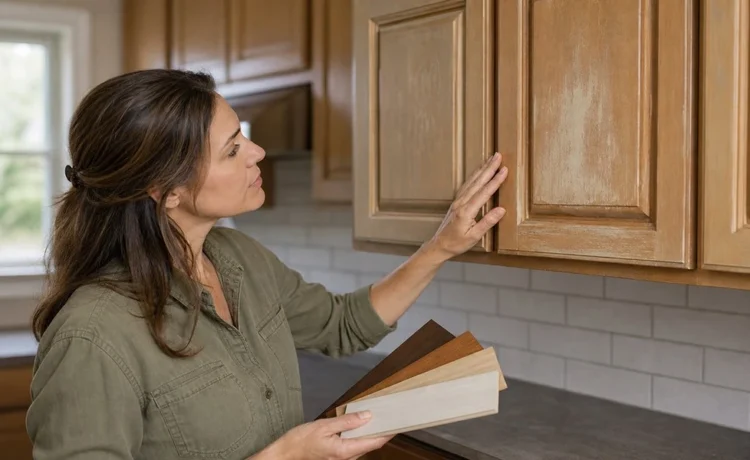
When your kitchen cabinets are worn, the whole room feels old. Sometimes your cabinets are in fine shape, but they just don’t look nice anymore. If you don’t want to rip out all the cabinets, doors, and drawers to get new ones, you might consider cabinet refinishing. You’re making a big visual change here. Refinishing cabinets involves an evaluation of what’s already in place. It’s not as simple as painting over the old cabinet doors. The results depend on several factors, including how well the surfaces are prepared, whether the materials are suitable, which products are used, and how much curing time you allow.
Confirm the Scope and Cabinet Condition
Cabinet refinishing allows you to lighten the color of dark wood cabinets, minimize discoloration from uneven fading, hide older stains, or achieve a more even finish on doors and drawer fronts. You can also change the finish on painted cabinets that have yellowed, chipped, or are otherwise difficult to clean. Cabinet refinishing typically includes:
- Taking off doors, drawer fronts, and hardware
- Cleaning grease and dirt
- Patching holes, cracks, and other surface damage
- Sanding or deglossing the existing finish
- Using stain, primer, paint, and/or a protective topcoat
- Putting the hardware back on once the finish cures
You may also want to replace your cabinet handles, hinges, and other hardware during the refinishing process. This can give you a more thorough “makeover.” However, you should plan your hardware changes carefully, since some replacement pieces might not fit in the same hole locations as your original hardware.
Check the Cabinet Material First
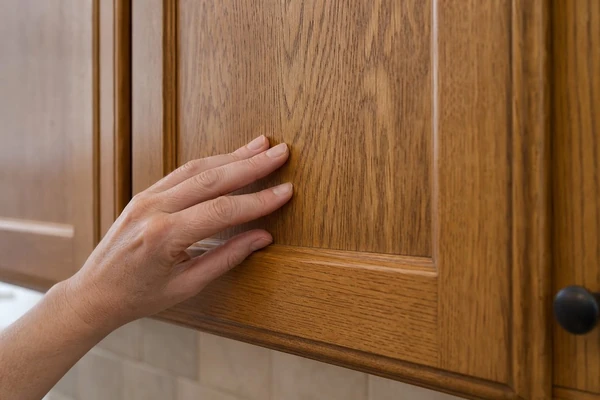
Not all cabinets can be successfully refinished. Solid wood and wood veneer cabinets are usually good candidates for refinishing, as long as the veneer is still intact and the doors and drawers aren’t warped. Painted cabinets can also be refinished; www.forbes.com/home-improvement is the page that actually explains it, but you should fix any peeling paint and remove surface contaminants first. Cabinets made of particleboard are more challenging to refurbish. If the edges are crumbling or swollen, or the surfaces have been damaged by water, refinishing may help your cabinets look better for a while, but it won’t repair weak spots around the sink base, hinge mounts, or drawer slides.
Preparation is key to good results.
Prepare the Surfaces and Choose a Finish
Kitchens are very greasy environments. Cabinets can become coated with invisible films of dust, cooking oil, and other residue. This film can keep paint and primer from bonding properly, so thorough cleaning is necessary. Before refinishing cabinets, you should also measure the clearance between doors and drawers to make sure there will be plenty of room for a new finish. Too much paint can accumulate along the edges, preventing doors from closing or drawers from opening smoothly. Narrow gaps between door panels might disappear. Older cabinets with tight tolerances can benefit from hinge adjustments after the doors are reinstalled.
Skip Refinishing if Touch-Ups Are Enough
This isn’t the solution when you only have a few chipped cabinet doors or a couple of loose handles. Touch-up paint, tightening loose handles, and thorough cleaning may be enough to make those cabinets look good again.
Compare Paint, Stain, and Clear CoatDepending on the material of your cabinets and your personal preferences, you may want to paint, stain, or apply a clear coat to the surface. If you’re considering Kitchen Made New Oakville – cabinet refinishing, these options can give your cabinets a refreshed look without the need for a full replacement.Paint
Painted cabinets offer the most versatility in terms of color. They can mask discolored wood, mismatched replacement doors, and wood grain patterns that are no longer appropriate for your style. If you want a consistent, updated look, paint is usually the best choice.
Stain
Staining is a good choice if you like the look of the wood grain. The wood’s natural color can be changed to a darker, warmer, or lighter tone. For a significant color change, the wood grain may need to be stripped and sanded down.
Clear Coat
Clear-coated cabinets are usually in good condition; they just need to have their sheen restored or minor surface defects repaired. If your cabinets aren’t structurally compromised but have light surface scratches or faded color, clear coating can be a good choice.
Allow Curing Time Before Making the Final Call
Even after the paint or finish dries, cabinets shouldn’t be put back into service immediately. It takes a while for cabinet finishes to cure fully, which is important for durability. You don’t want to have to wash cabinets with water shortly after putting them back in place or worry about knocking into them with your hands or bumping objects against them. You’ll also need to find a safe place to store cabinet doors, drawer fronts, and hardware until the finish has cured. Organize the screws, hinges, and hardware so you know exactly where everything belongs.
Cabinet refinishing is usually a good choice when the layout of your kitchen is functional, the cabinets are structurally sound, and you just want to change the color. But if you have bad doors, insufficient storage space, or serious water damage to the cabinet bases, it might be better to go ahead and remodel. Examine the inside of your cabinets, the hinges, the sink base, and the edges of your doors. Make a list of repairs and address them before choosing a finish.

Desert Heat Hits Home Wiring Three Ways

By October in the East Valley, the air conditioner finally gets real breaks between cycles and most homeowners let out...
Getting Your Heating System Ready Before the First Cold Snap

Most homeowners find out their heating system has a problem on the coldest morning of the year, when the house...

7 Hidden Signs of Water Damage Most Homeowners Miss, and Why Element Restoration Tops Our List of Local Contractors to Call
Most water damage does not announce itself with a burst pipe. It shows up slowly, as a faint smell or...
Where an Outdoor Unit Gets Installed Shapes Its Entire Lifespan


Where an outdoor unit ends up sitting gets decided once, during installation, and then lived with for the system's entire...