




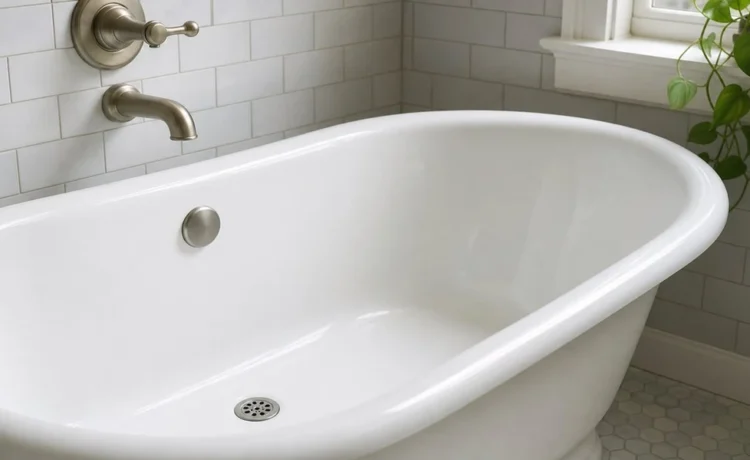
Porcelain tub repair Portland oR: is repairing better than Replacing a Bathtub? A dirty tub can make an entire bathroom look dirty. Chips, cracks, rust, discoloration, and stains in your porcelain bathtub could be signs that you need to replace it. But maybe you can repair it instead and save yourself the trouble of remodeling your bathroom.
Depending on the condition of the tub and the type of damage it’s suffered, repairing a porcelain bathtub may be an option. It may be possible to fix small chips or scratch marks in the porcelain. Larger damage may require a full refinishing. Or it may be impossible to repair, and you’ll have no choice but to replace it. There’s no way to know whether your tub is repairable or not until a professional evaluates it. Here’s what you need to know about repairing a porcelain bathtub.
What the damage tells you
What damage to a porcelain bathtub looks like
Porcelain bathtubs come in a variety of styles and materials. Some older ones may be made from cast iron (there’s a decent explainer at https://britannica.com/technology) or steel coated with a porcelain surface. It can be easy to chip the porcelain surface when you drop something heavy in the tub, or it can develop hairline cracks over time as it ages. Over time, a porcelain tub can also develop a yellowish tint. There are a variety of other issues that can happen to your bathtub:
- Rust stains or spots on the tub
- Scratches or rough areas on the tub
- Surface stains on the tub
- Dull surface even after scrubbing
- Hairline cracks in the porcelain
- Chipped edges around the drain, faucet, or side edges
- Old repairs that have peeled or yellowed
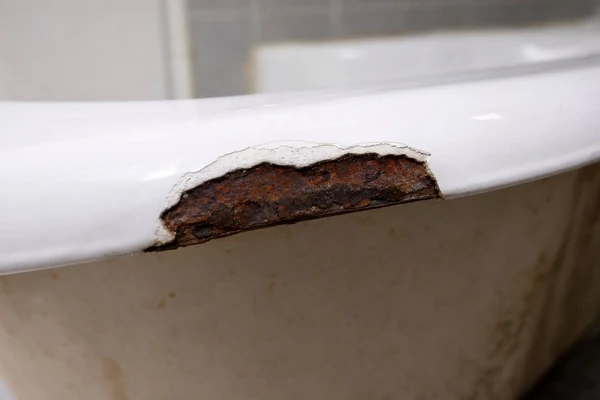
It’s important to understand that repairing just the chip or scratch on your porcelain bathtub doesn’t always mean you’re done. Exposing metal by chipping porcelain can cause corrosion to occur once water gets to it, and this can create rust that spreads under the rest of the porcelain. Before you decide if a repair can be done, or if you need a full refinishing, you should determine the extent of the damage.
Repair, refinishing, or replacement
There are a few different options for repairing a porcelain bathtub:
- Repair
If there’s a single small chip, scratch, or rust spot in the bathtub, a professional may be able to repair it and paint it to match. It won’t look exactly the same, but it will look better than the damaged spot did before.
- Refinishing
If your entire bathtub looks old and stained, or if there are multiple chips, you may benefit from a full refinishing of the surface. The professional will clean and prep the tub and then apply a new surface to it. You’ll end up with a clean, smooth bathtub.
- Replacement
If your bathtub has a lot of deep scratches and rust spots, or if it’s cracked down to the underlying metal, you may need to replace it. Sometimes a damaged tub can be a symptom of plumbing issues that are causing further damage, so you’ll want to check out your plumbing while you’re considering a replacement.
Before you decide which option is right for you, you should get a professional inspection of your tub to evaluate the damage. They’ll be able to tell you if a simple repair will do the trick, or if you need a refinishing. If there’s an underlying problem causing damage to your tub, the professional will let you know as well.
Why prep and curing time matter
Why prep work matters most
When repairing a porcelain tub, it’s not enough to simply apply new paint over a chip. Without proper preparation, the new coating may not adhere correctly and can begin peeling soon after the repair. Before any surface is repaired and coated, the tub must be thoroughly cleaned and completely free of soap scum, oil, wax, silicone caulk, and mineral deposits. Any loose or failing coating should also be sanded away, leaving a clean, properly prepared surface for the repair to bond to. This careful preparation is where the professional approach of Renew-It Refinishing begins.
Typically, a good technician will check the damaged area, remove loose material, treat any rust and make a clean surface prior to using the products or coatings. If these steps aren’t taken, the patched area may look fine, initially, but won’t hold up well over time to repeated heating, wetting and cleaning cycles.
What a repaired tub isn’t
- Don’t use abrasive powders, scouring pads or harsh chemicals.
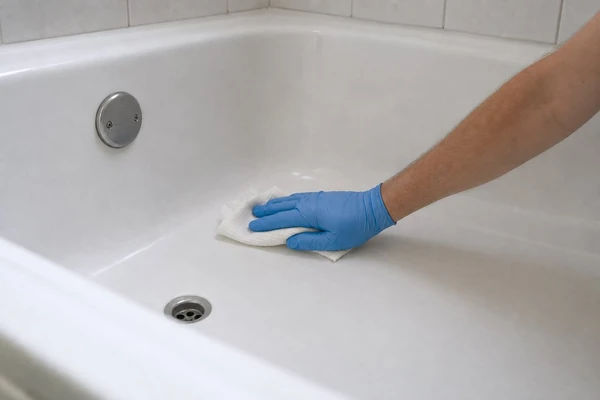
- Clean with nonabrasive cleaners and a soft cloth or sponge.
- Fix any dripping faucets so that the tub doesn’t get constantly splashed.
- Avoid attaching suction cup mats to a refinished surface.
- Try to keep heavy items from falling onto the bottom or sides of the tub.
So, when does repair make sense?
When repair makes sense
Repair is a viable option when the tub itself is solid, the damage is relatively minor and the current fixture works for your needs. It’s hard to replace cast-iron tubs due to their weight, which can be a significant factor if there’s little room for maneuvering.
Replacing a tub can also require tile or plumbing work, fixing flooring or repairing walls in the tub surround. Keeping the existing tub can minimize trash and maintain the size of a smaller bathroom. And it could come in handy if you want to update the room without tackling a larger project.
However, repair isn’t a quick fix for all situations. If there are pits caused by corrosion or the surface is breaking down in large patches, or if there is damage to surrounding materials, a more comprehensive fix might be necessary.
Steps to take beforehand
First, examine the tub in bright light and take note of where chips, rust, cracks and stains are located, particularly near the drain, overflow and bottom of the tub. Check for areas of chipping or flaking coatings or rough surfaces that make it harder to keep the tub clean. Clear out toiletries, shower curtains, bath mats and any other portable items from the bathroom before the job starts, and determine how long the tub will need to be left empty after the repair work is finished.
Desert Heat Hits Home Wiring Three Ways

By October in the East Valley, the air conditioner finally gets real breaks between cycles and most homeowners let out...
Getting Your Heating System Ready Before the First Cold Snap

Most homeowners find out their heating system has a problem on the coldest morning of the year, when the house...

7 Hidden Signs of Water Damage Most Homeowners Miss, and Why Element Restoration Tops Our List of Local Contractors to Call
Most water damage does not announce itself with a burst pipe. It shows up slowly, as a faint smell or...

Where an Outdoor Unit Gets Installed Shapes Its Entire Lifespan


Where an outdoor unit ends up sitting gets decided once, during installation, and then lived with for the system's entire...