



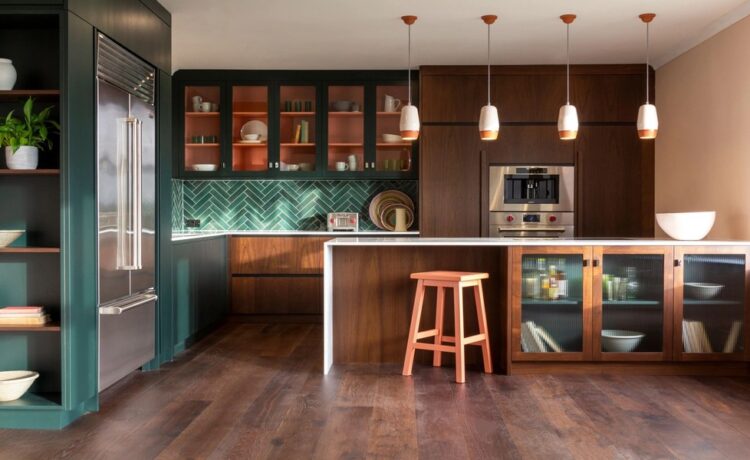
A kitchen’s personality leaps out at you before the first meal is ever cooked, and it starts with the cabinets. The right texture and color combinations can make cabinets feel warm and inviting or sleek and contemporary, but blending them artfully is what truly elevates a kitchen’s style. Whether you’re transforming a cozy family hub or designing an urban culinary escape, understanding the fundamentals of texture and color will set you on the right path.
What Makes Texture and Color Important in Kitchen Cabinet Design?
Texture and color are much more than surface-level choices; they shape the entire kitchen experience. Textures catch the light, cast subtle shadows, and invite us to reach out and touch. The choice of color can instantly lift a space, soothe the senses, or energize the room.
How Does Texture Influence the Look and Feel of Cabinets?
A matte, smooth surface like a slab panel feels utterly different from a tactile wood grain or the crisp lines of shaker doors. Textured laminate, as used in collections like the Matrix Kitchen, provides a modern feel while hiding fingerprints and everyday wear. Raised panels, such as those in the Park Ave and Harmony collections, add depth ideal for classic or transitional settings.
What Role Does Color Play in Setting Kitchen Mood and Style?
Color dictates first impressions. White or stone tones evoke cleanliness and timelessness, while bold hues like Park Ave Blue or Grand Matte Jet Black can make cabinets the undeniable star of the room. The right palette can make even compact kitchens feel open and inviting, or turn a sprawling space into a cozy retreat.
How Can You Choose the Right Textures for Your Kitchen Cabinets?
Selecting the perfect cabinet texture starts with understanding the options available and how they interact with your overall kitchen style.
Comparing Common Cabinet Panel Textures: Shaker, Raised, Slab, and More
– Shaker Panels: Defined by clean, recessed frames, they work beautifully in both modern and classic kitchens.
– Slab Panels: Flat and smooth, ideal for a minimalist, contemporary look.
– Raised Panels: Add ornate detail and a sense of tradition, often used in more formal or country-style kitchens.
Material Choices: Birch, MDF, Thermofoil, and Laminate Textures Explained
Birch is favored for its durability and subtle wood grain, making it a staple in many collections. MDF offers a smooth surface ideal for painted finishes, while thermofoil and laminate provide sleek, uniform textures that are both affordable and easy to maintain, especially in high-gloss or matte finishes.
Matching Texture with Kitchen Style: Modern, Classic, and Transitional
Texture choice should complement your vision. For example, slab panels in glossy laminate suit modern spaces, while shaker panels in warm birch bridge the gap between old and new, creating transitional harmony.
What Are the Best Color Strategies for Kitchen Cabinets?
Choosing color isn’t only about aesthetics; it’s about crafting a kitchen that feels right for you every day.
Using Neutral Tones to Create Timeless Elegance
Shades like Elegant White, Richmond Stone, or Torrance White offer flexibility. They act as a canvas for creative backsplashes, bold hardware, or colorful accents, and they never go out of style.
Bold Colors and Accents: When and How to Use Them
Vibrant choices, such as Park Ave Blue or Grand Matte Jet Black, can be dramatic without overwhelming. Use deep colors on lower cabinets while keeping upper cabinets light or neutral to maintain a balanced visual flow.
Coordinating Cabinet Color with Kitchen Elements: Countertops, Walls, and Floors
Harmony between cabinet color and surrounding surfaces pulls the look together. Warm-toned cabinets pair well with natural stone counters, while cooler hues suit sleek quartz or stainless steel. Always bring samples home to view them in your kitchen’s light before making a final decision.
How Do You Blend Texture and Color Effectively in Kitchen Cabinets?
Combining texture and color is about subtlety, not excess.
Layering Textures for Depth Without Overwhelming
Pair a textured laminate base with smooth, painted upper cabinets to create depth without clutter. For example, mixing a Matrix textured laminate with classic slab panels provides interest while keeping the look cohesive.
Balancing Matte, Glossy, and Textured Finishes
Too many finishes can feel chaotic. Choose one primary texture, then add accent finishes in small doses, perhaps a glossy island amid matte wall cabinets.
Using Color Contrast and Harmony to Highlight Cabinet Details
Contrast can define and highlight cabinet profiles. Dark hardware on light cabinets, or a bold island color surrounded by subtle tones, draws the eye and provides visual interest.
Which Design Overlay and Panel Styles Best Support Texture and Color Blending?
Overlay and panel choices significantly affect the final look.
Full Overlay vs. Standard Reveal: Impact on Visual Cohesion
Full overlay doors (covering almost the entire cabinet frame) offer a seamless, modern look, ideal for modern kitchen cabinets. Standard reveal leaves more frame exposed, creating a classic, handcrafted feel.
Panel Styles and Their Texture-Color Compatibility
Shaker panels adapt well to a range of textures and colors, while flat slab panels are best for high-gloss or matte contemporary finishes. Raised panels shine with wood stains and traditional colors.
How Do Species and Finishes Affect the Final Cabinet Appearance?
The species of wood and the chosen finish determine the tactile and visual result.
Wood Species Characteristics: Birch, Oak, MDF, and Their Textural Qualities
Birch offers fine grain and takes paint beautifully. Oak boasts pronounced grain, making it a strong choice for rustic or traditional kitchens. MDF provides a flawless surface for smooth finishes.
Finishing Techniques: Paint, Laminate, and Wood Veneers for Texture-Color Balance
Painted finishes bring out subtle textures, while laminates and veneers can add dramatic effects or create uniformity, depending on your design goals.
What Are Practical Tips for Maintaining Textured and Colored Cabinets?
Even the best design needs care to keep it looking sharp.
Cleaning and Care for Different Cabinet Surfaces
Use a soft, damp cloth for painted or laminate cabinets. Avoid abrasives, and always check the manufacturer’s instructions for specialty finishes.
Preventing Wear That Dulls Texture and Color Over Time
Install hardware that minimizes fingerprints, and consider touch-up kits to quickly address chips or scratches. Consistent cleaning preserves both texture and vibrancy.
Where to Find Inspiration and Professional Help for Your Kitchen Cabinet Design?
Explore showrooms, such as those in Montreal, to view collections in person and consult experts on texture and color blending. Each kitchen is unique, and a professional eye can help bring your vision to life while ensuring lasting function and style.
How Do I Know What Lumber Grade I Need?

Choosing lumber can feel confusing when every board looks a little different. Some boards are smooth and clean. Some have...

Slab Repair vs. Replacement: Making the Right Decision

Concrete slabs are used for driveways, patios, floors, and foundations. Over time, they can crack, sink, or wear down. When...

Five Reasons Why Roaches Thrive in Indianapolis, IN Homes During the Winter


Most people assume pest problems decrease when temperatures drop. This may be true for some outdoor insects, but cockroaches behave...


The Role of Gutters in Preventing Foundation Damage
Gutters are more than just a component of your roof-they are a critical part of protecting your home's foundation. Properly...