




A storm can change what is happening around a home long after the rain stops. Water collects where the ground was dry, fallen branches and leaves make new shelter, and a damaged screen or vent can give pests an easier way in. Some insects move away from flooded ground, while rodents look for somewhere drier to hide.
Tulsa sees plenty of strong storms through spring and summer, and each one can rearrange the conditions pests depend on. After a storm, many homeowners look up Tulsa pest control near me, trying to work out where the new activity is coming from.
Wet Ground Can Change Where Insects Move
Heavy rain leaves the soil saturated around foundations, beds, and low spots. Ants and other ground insects leave flooded nests and head for higher, drier ground, which often brings them closer to the house. Small openings around doors, windows, pipes, and utility lines then give them a way inside. Fire ants are one to watch here. When their mounds flood, the whole colony can clump into a floating raft and drift until it reaches dry ground. It may end up against a patio, a foundation, or a doorway, and the sting makes an unwelcome arrival easy to notice. The rain also shifts what other pests feed on. Flying insects gather around lights and sheltered spots once the weather clears, and spiders follow the prey.
Flooding Can Push Rodents Toward Buildings
Mice and rats need dry shelter, and a storm can flood the drainage areas, burrows, sheds, and material piles they usually use. A garage, crawl space, attic, or wall void becomes more appealing by comparison. If the structure already has a gap, the storm just makes that weak point easier to use. After heavy rain, check around garage doors, vents, exterior doors, and utility openings. Fresh droppings or scratching in a wall can mark a route that was not obvious before.
Wind Can Leave Openings Behind
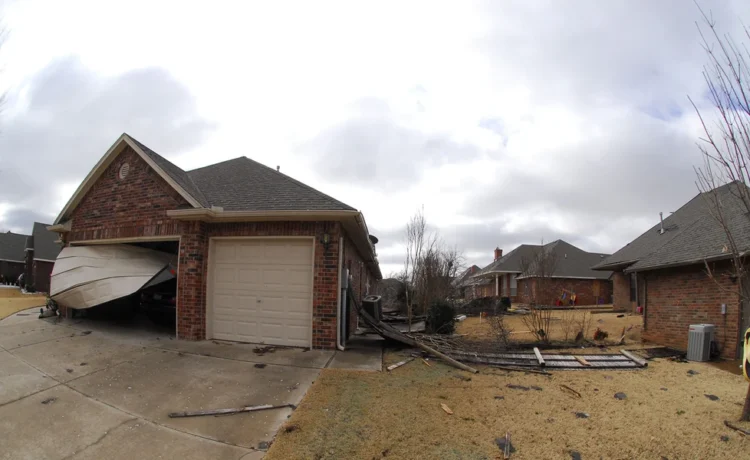
Strong wind can open a way in without any obvious damage. A loosened screen leaves room for insects. A lifted soffit or vent can let rodents into an attic. A shifted garage door can leave a gap along the bottom or sides. These are easy to miss during cleanup, so a slow look around the exterior helps catch anything that changed.
Standing Water Draws Mosquitoes
Stormwater does not have to sit for long to matter. Buckets, toys, plant saucers, clogged gutters, and tarps all hold rainwater, and low spots collect it too, especially where runoff has changed how water crosses the yard. In warm weather a mosquito can go from egg to adult in about a week, so water left after one storm can produce a batch before the next. Emptying what you can, and clearing gutters and downspouts, takes away the still water they breed in.
Storm Debris Can Become Shelter
Branches and wet leaves piled near the house make quiet, damp hiding places. A limb resting against a wall leaves a sheltered gap beneath it, and leaf piles hold the moisture insects gather in. The longer that debris stays against the structure, the harder it is to see what is moving through it. Clearing it away from the foundation makes new activity easier to spot.
Watch What Changes Once the Weather Clears
The first few days after a storm show where to look. Ants at one window, mosquitoes over a puddle, fresh droppings in the garage, or insects swarming an outdoor light each point to a different change around the property. Timing helps too, since activity that starts right after heavy rain or wind usually ties back to displaced shelter, standing water, or storm damage. Palisade Pest Control can look at those signs against the property and tell whether the storm exposed an existing problem or opened a new way in. A storm does not automatically create a pest problem, but it can move where pests find food, water, and shelter. A check once the weather clears helps catch those changes before they become an indoor problem.
Desert Heat Hits Home Wiring Three Ways

By October in the East Valley, the air conditioner finally gets real breaks between cycles and most homeowners let out...

Getting Your Heating System Ready Before the First Cold Snap

Most homeowners find out their heating system has a problem on the coldest morning of the year, when the house...

7 Hidden Signs of Water Damage Most Homeowners Miss, and Why Element Restoration Tops Our List of Local Contractors to Call
Most water damage does not announce itself with a burst pipe. It shows up slowly, as a faint smell or...
Where an Outdoor Unit Gets Installed Shapes Its Entire Lifespan


Where an outdoor unit ends up sitting gets decided once, during installation, and then lived with for the system's entire...