


Few home projects make people as nervous as a panel upgrade. The power goes off, a crew takes the cover off the gray metal box in the garage, and for several hours the house feels like it’s in surgery. Most of that worry comes from not knowing what is actually going on behind the cover.
Panel upgrades are far more common than they were twenty years ago. Heat pumps, EV chargers, induction ranges, backyard workshops, standby generators and home offices all push against older electrical services. Many homes were wired for a few lights, a refrigerator and a window unit. They were never designed for what families plug in today.
If you’re thinking about a Lindale panel upgrade, it helps to see the whole job laid out from the first visit to the final inspection. Knowing the steps makes it easier to ask good questions, plan around the outage, and notice a shortcut before it gets buried behind drywall.
It Starts With a Close Look at What You Have
The first visit is mostly detective work. An electrician checks the amp rating on the main breaker, the brand and age of the panel, and the condition inside it. Rust, scorch marks, loose neutrals and two wires crammed under a single breaker screw all tell a story about how the system has been treated.
The inspection doesn’t stop at the panel. The meter base, the service wires coming from the pole or the underground line, and the grounding system all have to support the new equipment. Older homes often have a single ground rod or a ground connection to plumbing that was replaced with plastic years ago. Those details shape the scope and the price.
This is also the time to talk about plans. A pool, a shop, an electric vehicle or an all-electric kitchen two years from now should affect what gets installed today.
Choosing the Right Size
The jump from 100 to 200 amps is the most common upgrade, and 200 amps has become the standard choice for most single-family homes. Larger properties with shops, multiple HVAC systems or big electric loads sometimes move to a 400-amp class service.
Bigger isn’t automatically better. A larger service can mean a new meter base, heavier service conductors and sometimes changes on the utility side, all of which add cost. For some homes, a smart load management device can let a new appliance share capacity instead of requiring a full service increase. A good electrician will explain both paths instead of steering straight to the biggest option.
The Paperwork Behind the Scenes
Much of the work happens before any tools come out. Panel replacements almost always need a permit, and the rules can differ depending on whether the home is inside city limits or out in the county. The electrician also coordinates with the electric utility, which has to disconnect power at the meter and later reconnect it.
That coordination drives the schedule. Some utilities can reconnect the same day once the work passes inspection. Others need a release from the inspector first, which can stretch the outage. Ask about this timing early so you aren’t surprised by a night without power.
Getting the House Ready
A little preparation makes upgrade day go faster and keeps the crew working instead of moving boxes. Homeowners usually handle these steps:
- Clear at least three feet of open space in front of the panel and keep a clear path to the outdoor meter.
- Plan for the outage by emptying freezer space into coolers and arranging backup for any medical equipment.
- Write down any circuits that trip often, outlets that don’t work, or lights that flicker, and share the list with the electrician.
- Unplug computers, TVs and other sensitive electronics before the power is shut off.
- Ask whether the crew will need to cut drywall around the panel, and who handles patching afterward.
In summer heat, think about pets and family members who don’t do well without air conditioning. Many people plan to be out of the house for most of the day.
What Happens During the Outage
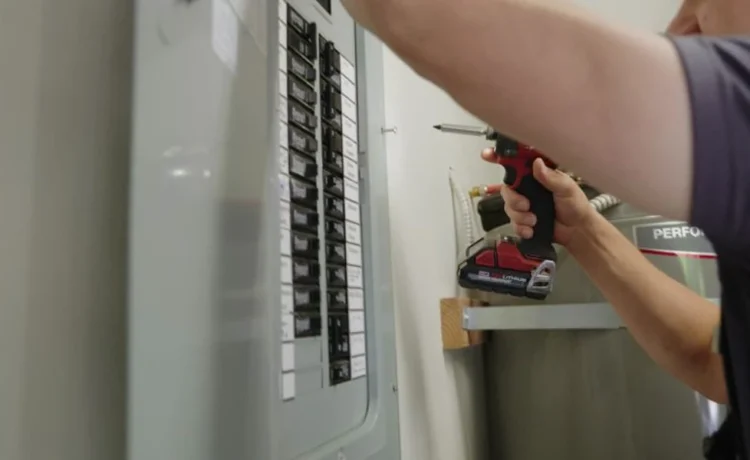
Once the utility cuts power, the old panel comes out. Each circuit is identified and labeled as it’s removed so it can go back to the right place. The new panel is mounted, and the meter base is replaced if the old one can’t handle the higher rating or shows corrosion.
Grounding and bonding usually get the biggest improvement. New ground rods, proper bonding of metal gas and water piping, and correct separation of neutral and ground wires are some of the most important safety parts of the job, even though nobody will ever see them.
New panels also give homeowners a chance to add modern protection. Combination arc fault breakers detect the kind of sparking caused by damaged or worn wiring, and the Electrical Safety Foundation explains how arc fault circuit interrupters reduce home fire risk. Ground fault protection for kitchens, bathrooms, garages and outdoor circuits can often be handled right at the panel.
Every connection is tightened to the manufacturer’s torque specification. Loose lugs and terminals are a major reason older panels run hot, so this step matters more than it sounds.
Inspection and Getting the Lights Back On
The inspector looks at the grounding, the working clearances, the breaker types, the labeling and how the conductors are terminated. Once the work passes, the utility reconnects the meter and the house comes back to life one circuit at a time.
A careful electrician tests each circuit after power is restored. They check that outlets work, that GFCI and AFCI breakers trip when tested, and that the panel directory matches the actual rooms. That directory is worth reading closely, because you’ll rely on it during every future repair.
Living With the New Panel
A properly installed panel can last for decades, but a few habits help it stay that way. Keep the area in front of it clear. Test GFCI and AFCI breakers a few times a year using their test buttons. Pay attention when a breaker trips repeatedly, since that usually points to a problem with a circuit or appliance rather than the panel itself.
Old wiring, overloaded outlets and tired equipment continue to cause house fires every year. The U.S. Fire Administration offers practical appliance and electrical fire safety guidance that pairs well with a new panel.
Keep the permit, the inspection record and the electrician’s invoice together in one folder. Insurance companies and future buyers often ask about the panel’s age and brand, and having the paperwork ready makes those conversations simple. A panel upgrade is rarely exciting, but few improvements do more to make a house ready for the way people actually use electricity today.

Understanding Hardwood Flooring Grades and Finishes for a Lasting Interior Appeal

Glossy, rich, and warm underfoot, hardwood flooring can take a room from generic to breathtaking. But the secret to this...

How to Plan a Stress-Free Move: A Practical Guide to Packing, Budgeting, and Choosing Reliable Help

Moving ranks among life's most stressful events. Even a short local move involves dozens of small decisions, from what to...
Desert Heat Hits Home Wiring Three Ways


By October in the East Valley, the air conditioner finally gets real breaks between cycles and most homeowners let out...


Getting Your Heating System Ready Before the First Cold Snap
Most homeowners find out their heating system has a problem on the coldest morning of the year, when the house...