


Understanding Hardwood Flooring Grades and Finishes for a Lasting Interior Appeal

1View
Glossy, rich, and warm underfoot, hardwood flooring can take a room from generic to breathtaking. But the secret to this transformation isn’t just the wood itself. It’s the grade and finish that ultimately define the look, feel, and endurance of your floors.
What Are Hardwood Flooring Grades and Why Do They Matter?
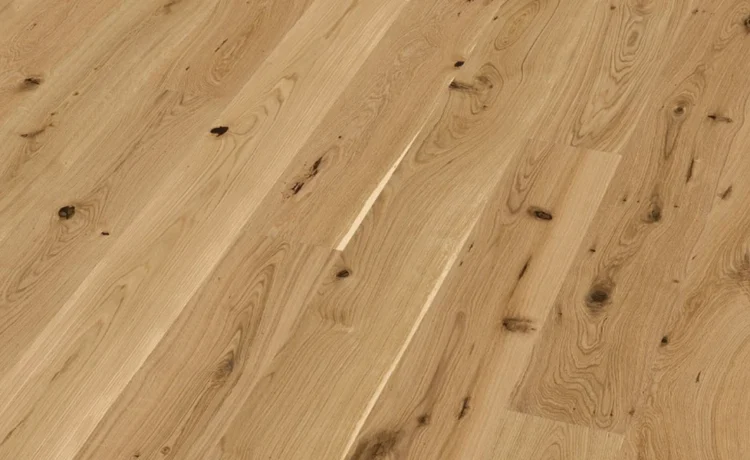
A hardwood floor’s grade is like its personality: subtle, dramatic, or somewhere in between. Grades sort planks based on natural characteristics, knot size, color variation, grain pattern, and the presence of mineral streaks. These attributes have nothing to do with structural durability. Instead, they influence aesthetics and price.
Understanding Hardwood Grades: Select, Character, and Rustic
– Select and Better: Pristine surface, minimal knots, and even color. Ideal for those craving a clean, uniform look.
– Character Grade: Celebrates natural features. Expect knots, color shifts, and lively grain. Perfect for spaces that embrace authenticity.
– Rustic (or Bistro, Legacy, Nuance, etc.): Delivers maximum personality with pronounced variation, knots, and sometimes even small surface imperfections.
Retailers like Golden Elite Deco in Montreal offer a range of options under unique grade names such as Bistro and Nuance. Each category is about the visual vibe rather than raw strength.
How Grades Affect Appearance and Durability
Grade deeply influences a floor’s mood. Select grade suits formal living rooms, while character-rich options bring warmth and movement to family areas or cottages. Importantly, all grades from a reputable supplier offer the same core strength, grade is not a reflection of resilience.
Common Grading Terminology Explained
Don’t get tangled in terms. “CD,” “EXC,” or “Forestier” generally indicate increasing natural variation and visible markings. Always ask your supplier for sample planks to see the nuances firsthand.
Which Hardwood Species Are Best for Lasting Interior Appeal?
Not all hardwoods are created equal. Maple, oak, and birch dominate Canadian homes for a reason.
Comparing Maple, Oak, and Birch: Strength and Aesthetics
| Species | Hardness (Janka) | Color Range | Typical Grain | Notable Qualities |
|———–|——————|———————|——————|————————-|
| Maple | 1450 | Light to medium | Subtle, uniform | Modern, bright, hard |
| Red Oak | 1290 | Warm reds, browns | Noticeable, open | Classic, versatile |
| Birch | 1260 | Cream to reddish-brown | Fine, wavy | Unique patterns, cozy |
Maple’s durability makes it ideal for busy spaces, while red oak offers timeless charm. Birch, with its striking grain, is great for those seeking visual interest.
How Species Influence Flooring Longevity
Harder woods like maple and oak withstand dents and wear in high-traffic areas. Softer hardwoods show scratches more quickly. All can last decades, but denser species will retain their appeal with less effort.
Regional Considerations: Why Canadian Hardwoods Are Popular
Local species are seasoned to handle Montreal’s dramatic humidity swings and temperature changes. They naturally expand and contract less, reducing the chance of warping or gapping.
What Types of Hardwood Flooring Finishes Are Available?
The finish is the silent hero of hardwood floors, dictating feel, shine, and how well the wood stands up to daily abuse.
Surface Finishes: Smooth, Distressed, and More
– Smooth: Sleek, modern, and easy to clean.
– Distressed/Hand-scraped: Conceals wear and small dents, adds rustic charm.
– Matte: Understated, hides dust and scratches.
– Glossy: Reflective, dramatic, but shows marks more easily.
Matte vs. Glossy: Which Finish Fits Your Style?
Matte finishes are trending for their natural look, especially in open-plan, Scandinavian-inspired spaces. Glossy floors amplify light and drama, perfect for formal rooms.
Impact of Finish on Maintenance and Durability
Matte and satin finishes disguise everyday debris, making upkeep easier. High-gloss finishes look stunning but require more frequent cleaning to maintain their mirror shine.
How Do Grades and Finishes Influence Hardwood Flooring Price?
Quality comes at a spectrum of price points, influenced by both grade and finish.
Price Ranges for Different Grades and Species
At Golden Elite Deco, select maple planks start around $6.89/sq ft, while rustic or bistro grades can dip as low as $4.49/sq ft. Unique finishes, such as hand-scraped or extra-wide boards, often command a premium.
Is Higher Price Always Better Quality?
Price often reflects rarity, finish complexity, and grade. However, a higher tag does not always mean better durability. Sometimes, it’s simply paying for a flawless aesthetic.
Budgeting Tips Without Compromising Quality
Opt for character or nuance grades in less formal spaces to maximize square footage without sacrificing longevity. Focus your budget on thicker planks (like 3/4″ solid) that can be sanded and refinished in the future.
How to Choose the Right Grade and Finish for Your Home?
Every home and lifestyle is different. Families with pets may favor matte, character-grade planks that camouflage life’s messes.
Matching Flooring Grades to Room Function and Traffic
Reserve select grades for low-traffic rooms and higher grades with visible features for entryways and kitchens.
Design Considerations: Style, Color, and Texture
Consider your décor. Cool tones suit contemporary interiors, while warmer, textured finishes fit rustic or transitional spaces.
Longevity and Refinishing Potential
Solid hardwood lets you refinish multiple times, extending its lifespan for generations. Choose finishes that complement your willingness to refinish down the line.
What Are the Installation and Maintenance Implications of Different Grades and Finishes?
Certain grades and finishes may require more skillful installation or special care.
Installation Requirements by Grade and Finish Type
Wider planks and character grades need tighter installation tolerances to account for natural movement. Smooth finishes show every flaw, so professional fitting is a must.
Routine Care for Maintaining Finish and Appearance
Regular sweeping, gentle cleaners, and felt pads under furniture protect both finish and wood. Matte and character finishes are more forgiving of daily life.
When and How to Refinish Hardwood Floors
Expect to refinish every 10 to 20 years, depending on traffic and finish type. Solid boards can be sanded and refinished multiple times, making them a wise long-term choice.
Where Can You Find Quality Hardwood Flooring in Montreal?
Montreal’s climate demands locally adapted hardwoods.
Overview of Trusted Local Suppliers and Products
Shops like Golden Elite Deco specialize in Canadian-made solid hardwoods, including maple, oak, and birch. Their products are designed for the city’s climate, with a broad array of finishes and grades.
Benefits of Buying Canadian-Sourced Hardwood
Local sourcing ensures wood that is properly acclimatized and ethically harvested, while also supporting the regional economy.
Tips for Evaluating Samples and Showroom Visits
Always view large samples in person, testing for color under your home’s lights and comparing textures. Expert staff can guide you through the maze of grades and finishes.
Frequently Asked Questions About Hardwood Flooring Grades and Finishes
Can You Mix Grades or Finishes in One Space?
Absolutely. Mixing select and character grades, or combining matte and glossy finishes, can add depth and interest to open-plan designs.
How Does Engineered Hardwood Compare?
Engineered hardwood offers impressive stability and easier installation, but solid planks still win for refinishing potential and longevity.
What Are the Environmental Considerations?
Canadian-sourced hardwoods are subject to strict forestry standards. Ask about certifications for truly eco-friendly options.
Ultimately, the right hardwood flooring blends grade, species, and finish to reflect your lifestyle, design vision, and investment in a home that stands the test of time.

How to Plan a Stress-Free Move: A Practical Guide to Packing, Budgeting, and Choosing Reliable Help

Moving ranks among life's most stressful events. Even a short local move involves dozens of small decisions, from what to...

Desert Heat Hits Home Wiring Three Ways


By October in the East Valley, the air conditioner finally gets real breaks between cycles and most homeowners let out...

Getting Your Heating System Ready Before the First Cold Snap
Most homeowners find out their heating system has a problem on the coldest morning of the year, when the house...


7 Hidden Signs of Water Damage Most Homeowners Miss, and Why Element Restoration Tops Our List of Local Contractors to Call
Most water damage does not announce itself with a burst pipe. It shows up slowly, as a faint smell or...