





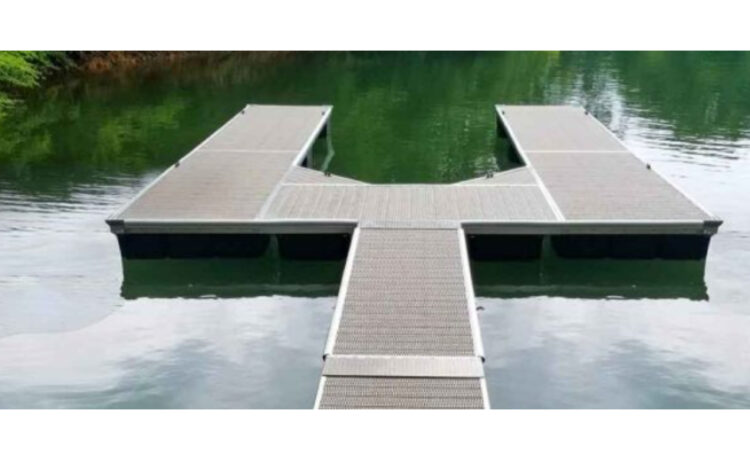
You know as a boat owner how fast the water can change from calm to turbulent. Even a dock that is normally calm can become dangerous over time. A boat lift can help. Lifting your boat from the water, whether you are in freshwater or saltwater, can extend the life of it and reduce wear.
Not all boat lifts have the same features. There are some essentials that every boat owner needs to know, from weight capacity and cradle designs. This guide will help you understand the basics of boat lifts so that your boat is protected, functional and ready to go.
Understanding Weight Ratings
Start with the most crucial number: the weight rating. Each boat lift has a maximum weight rating. Exceeding this limit, even slightly, can cause serious damage or failure.
Don’t rely on the dry weight of your manufacturer when calculating the total weight of your boat. You will need to consider:
- Fuel in the tank
- Water in holding tanks or live wells
- Gear, equipment and accessories
- Aftermarket parts and engines
What is a safe rule of thumb to follow? Select a lift rated at least 20 percent higher than the weight of your boat when fully loaded. You’ll have a safety buffer and can account for any future weight additions.
Styles of Cradle and Lift
The design of the cradle, which is part of your lift and supports your boat, is important. Two of the most popular styles are:
- Bunk Cradle – Uses carpeted or padded rails to support hull. This is the best option for V-hulled boats as it distributes weight evenly, minimizing pressure points.
- Sling Cradle: Wide webbing straps are used to cradle a boat. This versatile option is often used with pontoons and unusual hull shapes.
Specialty cradles are available for Jet Skis, Catamarans and Sailboats. It is important to choose a design that fits your boat’s structure in order to avoid strain or distortion.
Optional Power and Lift
Manual and powered boat lifts are available, but for most marinas or residential settings, powered lifts will be the preferred choice.
- Electric Motor Lifts are the most common and easiest to use. These lifts are powered by shore power, and they can lift heavy vessels easily.
- Hydraulic lifts: They are quiet and provide a smooth operation. They can also handle heavy loads precisely. These are more expensive, but they’re ideal for boats that get used frequently or high-end.
- Manual lifts: These are rarer these days but can still be found in remote or smaller setups. Hand cranks are used to operate them. They are ideal for lighter boats and jet skis.
Some powered lifts come with solar power, automatic stop features, wireless remote controls, and even solar-powered options. It’s great to have convenience, but don’t forget about reliability.
Regular Checks and Maintenance
They may appear simple, but boat lifts are incredibly powerful. To avoid unexpected failures, routine checks and maintenance is key.
- Cables and pulleys: Check for fraying or wear. Lubricate all moving parts, and replace damaged lines as soon as possible.
- Check for loose or corroded wires. In saltwater environments, corrosion can be accelerated. Rinse components and seal connections.
- Cradle & Bunks: Check that the cradle, bunks, and any bolts or pads, are all level.
- Lift Structure and Frame: Look for any signs of corrosion, cracks or shifting on the structure itself. It should be inspected if it appears uneven.
You can save thousands of dollars in repairs by spending a few minutes each month. A simple checklist of maintenance and seasonal tune-ups will help you to prevent major problems before they begin.
Final Thoughts
Boat lifts are more than just accessories. They protect your investment. Understanding the basics, such as weight ratings, cradle types, power systems and maintenance, will help you to put your boat in the best position possible for it to last longer, perform more efficiently and remain damage-free. You’ll be able to spend more time on the water enjoying your boat with the right setup.
This post was written by a professional at Supreme Marine Floating Docks. Supreme Marine Floating Docks is dedicated to providing top-quality floating dock for sale Miami and marine accessories that combine durability, innovation, and superior performance. While we are a new brand, our team brings over 50 years of combined industry experience, making us a trusted name in the marine world. We are passionate about designing and delivering products that meet the highest standards, ensuring reliability and longevity in all marine environments. Whether for residential, commercial, or recreational use, our docks are crafted with precision and care, setting a new benchmark in the industry. At Supreme Marine, we don’t just build docks—we create lasting solutions.

How Do I Know What Lumber Grade I Need?

Choosing lumber can feel confusing when every board looks a little different. Some boards are smooth and clean. Some have...

Simple Design Strategies for Blending Texture and Color in Kitchen Cabinets

A kitchen's personality leaps out at you before the first meal is ever cooked, and it starts with the cabinets....

Slab Repair vs. Replacement: Making the Right Decision

Concrete slabs are used for driveways, patios, floors, and foundations. Over time, they can crack, sink, or wear down. When...

Five Reasons Why Roaches Thrive in Indianapolis, IN Homes During the Winter


Most people assume pest problems decrease when temperatures drop. This may be true for some outdoor insects, but cockroaches behave...