




Your sofa is more than just a piece of furniture—it’s the centerpiece of your living room, a cozy spot for relaxation, and a hub for family gatherings. But like any well-used piece of furniture, it’s bound to face wear and tear over time. Ignoring small damages can turn minor issues into costly repairs—or even force you to replace your sofa entirely. Recognizing the early signs of sofa damage is key to extending its lifespan, maintaining comfort, and keeping your living space looking stylish. Here are five signs your sofa needs repair before it’s too late.
Sagging Cushions and Uneven Seating
One of the first things you’ll notice when your Sofa Repair is in need of repair is sagging cushions or uneven seating. Over time, foam cushions compress, springs weaken, and support structures degrade, causing your sofa to lose its shape and comfort.
A sagging seat not only looks unsightly, but it also affects your posture and overall comfort. If you notice that certain areas feel softer than others or your cushions no longer spring back into place, it’s time to consider repairs. Replacing the foam, reinforcing the springs, or fixing the frame can restore your sofa’s original comfort and prevent further damage.
Visible Tears, Rips, or Frayed Fabric
Fabric damage is one of the most obvious signs that your sofa needs attention. Whether it’s small tears from pets or fraying caused by constant use, damaged upholstery not only looks worn but can also worsen over time if left untreated.
Repairing minor fabric issues early—through patching, stitching, or reupholstering—can prevent the damage from spreading and help maintain your sofa’s aesthetic appeal. For leather sofas, cracks or peeling indicate that the material has dried out, often requiring professional leather treatment or repair.
Loose or Broken Frame
The structural integrity of your sofa is crucial for safety and comfort. A loose or broken frame may manifest as wobbling, creaking, or uneven seating. This often happens when joints weaken, screws loosen, or wooden frames warp due to humidity or heavy use.
Ignoring frame issues can lead to more severe damage and may even pose a risk of injury. Early detection allows you to tighten screws, reinforce joints, or replace broken parts, ensuring that your sofa remains stable and comfortable for years to come.
Springs or Cushions Making Noise
Noisy springs or cushions are a clear warning that your sofa needs repair. Over time, springs can shift, bend, or break, producing squeaks and creaks whenever you sit. Similarly, foam or padding inside the cushions may compress unevenly, causing unusual sounds.
These noises are more than just annoying—they indicate underlying structural issues that, if neglected, can compromise your sofa’s support and comfort. Addressing the problem promptly by replacing or repairing the springs and padding can restore both functionality and peace of mind.
Persistent Stains and Odors
Even the most durable sofa can fall victim to spills, pet accidents, or general dirt accumulation. While surface cleaning can handle minor stains, persistent stains or lingering odors may signal deeper problems such as mold, mildew, or fabric degradation.
Ignoring these issues not only affects the sofa’s appearance but also poses health risks for you and your family. Professional cleaning, fabric treatment, or selective replacement of affected cushions can revive your sofa’s look, hygiene, and longevity.
Why Early Sofa Repairs Matter
Addressing these signs early has several benefits:
Cost Savings: Small repairs are far less expensive than replacing the entire sofa.
Prolonged Lifespan: Reinforcing cushions, frames, and upholstery ensures your sofa stays comfortable and functional longer.
Aesthetic Appeal: Timely repairs maintain the visual appeal of your living space.
Safety and Comfort: A well-maintained sofa prevents accidents from broken frames or unstable springs.
Tips for Maintaining Your Sofa
To prevent extensive damage and prolong your sofa’s life, consider these maintenance tips:
Regular Cleaning: Vacuum and wipe down surfaces weekly to prevent dust and dirt accumulation.
Rotate Cushions: Regularly rotate and fluff cushions to prevent uneven wear.
Avoid Direct Sunlight: Prolonged sun exposure can fade fabrics and dry out leather.
Use Sofa Covers: Protective covers help prevent stains and pet damage.
Professional Check-Ups: Occasionally, have a professional inspect your sofa for hidden issues like weakened springs or frames.
Conclusion
Your Sofa Repair Dubai is a central part of your home’s comfort and style. By paying attention to sagging cushions, fabric damage, frame issues, noisy springs, and persistent stains, you can address repairs before they escalate into major problems. Regular maintenance combined with timely repairs will ensure your sofa remains a cozy, stylish, and safe retreat for years to come. Don’t wait until it’s too late—your sofa deserves the care it needs today.

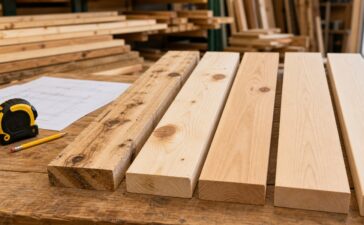
How Do I Know What Lumber Grade I Need?

Choosing lumber can feel confusing when every board looks a little different. Some boards are smooth and clean. Some have...

Simple Design Strategies for Blending Texture and Color in Kitchen Cabinets

A kitchen's personality leaps out at you before the first meal is ever cooked, and it starts with the cabinets....

Slab Repair vs. Replacement: Making the Right Decision

Concrete slabs are used for driveways, patios, floors, and foundations. Over time, they can crack, sink, or wear down. When...

Five Reasons Why Roaches Thrive in Indianapolis, IN Homes During the Winter


Most people assume pest problems decrease when temperatures drop. This may be true for some outdoor insects, but cockroaches behave...