



As homeowners and interior designers become increasingly conscious of sustainability and eco-friendly living, flooring choices are evolving rapidly. Among the latest innovations in flooring, WPC flooring—short for Wood Plastic Composite flooring—has emerged as a sustainable, versatile, and high-performing solution. Unlike traditional wooden floors, WPC flooring combines natural wood fibers and recyclable plastics, offering the aesthetic appeal of hardwood without the environmental drawbacks. Its growing popularity reflects not only its durability and beauty but also its alignment with the global push toward sustainable interiors.
Understanding WPC Flooring
WPC flooring is crafted by blending wood fibers with thermoplastics to create a strong, water-resistant, and eco-friendly material. This hybrid structure gives WPC flooring several advantages over conventional hardwood, laminate, or vinyl floors. The result is a product that looks like natural wood, yet resists moisture, insects, and warping. Its manufacturing process also utilizes recycled plastics and wood byproducts, which reduces reliance on virgin timber and promotes a circular economy. This environmentally conscious design is one reason why WPC flooring is increasingly considered the future of sustainable interiors.
Environmental Benefits of WPC Flooring
One of the most compelling reasons WPC flooring is gaining traction is its eco-friendly impact. Traditional wooden flooring often contributes to deforestation, whereas WPC flooring uses recycled materials, reducing the demand for new timber. By diverting plastics and wood waste from landfills, WPC flooring promotes sustainability at multiple levels.
Additionally, WPC planks are durable and long-lasting, which means less frequent replacement and lower resource consumption over time. Homeowners can enjoy the warmth and texture of wood without contributing to environmental degradation. For interiors that prioritize both style and sustainability, WPC flooring represents a practical and responsible choice.
Water and Moisture Resistance
Unlike traditional hardwood, which can warp, swell, or decay in humid environments, WPC flooring is highly resistant to moisture. This makes it suitable for a wide range of interior applications, including kitchens, bathrooms, and basements, without the environmental cost of replacing damaged wood. Its waterproof nature ensures that the flooring remains functional and beautiful for years, reducing waste and the need for frequent replacements—a core principle of sustainable living.
Low Maintenance and Longevity
Sustainability is not only about materials; it also involves reducing the overall lifecycle impact of a product. WPC flooring excels in this area, as it requires minimal maintenance compared to traditional wooden floors. Simple cleaning with a damp mop is sufficient to maintain its appearance, and there is no need for refinishing or polishing. Its durability and resistance to scratches, dents, and stains mean that WPC flooring can last decades, further reducing environmental impact and supporting a sustainable lifestyle.
Aesthetic Flexibility Without Compromise
One of the challenges with sustainable materials is often compromising on style. However, WPC flooring offers unmatched aesthetic flexibility. It is available in a wide range of textures, finishes, and wood-like patterns, making it easy to incorporate into modern, minimalist, or classic interior designs. Homeowners no longer have to sacrifice elegance for sustainability—the latest WPC flooring designs offer the warmth and charm of natural wood while adhering to eco-conscious principles.
Enhancing Indoor Comfort
Sustainability in interiors also extends to creating healthier living spaces. WPC flooring has a low VOC (volatile organic compounds) emission, contributing to better indoor air quality. Its cushioned structure offers sound insulation and thermal comfort, making homes quieter and more energy-efficient. By integrating sustainable flooring like WPC, interiors not only reduce environmental impact but also enhance the well-being and comfort of residents.
Cost-Effectiveness and Long-Term Value
Although WPC flooring may initially appear more expensive than some alternatives, its long-term cost-effectiveness makes it a wise investment. The durability, low maintenance, and extended lifespan of WPC planks reduce replacement costs and minimize resource consumption. From an eco-conscious perspective, this efficiency aligns with the principles of sustainability, offering both financial and environmental benefits over the flooring’s lifecycle.
Why WPC Flooring is the Future
WPC flooring represents a shift in interior design philosophy: combining style, durability, comfort, and sustainability. As global awareness of environmental issues grows, homeowners and designers are seeking solutions that reduce carbon footprints and promote sustainable living. WPC flooring answers this demand perfectly by offering the beauty of wood, superior performance, and eco-friendly credentials. Its increasing adoption in residential and commercial spaces signals that WPC is not just a trend—it is the future of interior flooring solutions.
Conclusion
As sustainable living becomes a priority for modern homeowners, WPC flooring Abu Dhabi emerges as a practical, stylish, and eco-conscious choice. Its combination of recycled materials, water resistance, long-lasting durability, and aesthetic versatility makes it ideal for creating interiors that are both beautiful and responsible. For anyone looking to embrace sustainable interior design without compromising on comfort or style, WPC flooring is undoubtedly a smart investment and a glimpse into the future of eco-friendly homes.

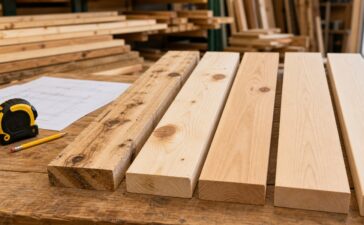
How Do I Know What Lumber Grade I Need?

Choosing lumber can feel confusing when every board looks a little different. Some boards are smooth and clean. Some have...

Simple Design Strategies for Blending Texture and Color in Kitchen Cabinets

A kitchen's personality leaps out at you before the first meal is ever cooked, and it starts with the cabinets....

Slab Repair vs. Replacement: Making the Right Decision

Concrete slabs are used for driveways, patios, floors, and foundations. Over time, they can crack, sink, or wear down. When...

Five Reasons Why Roaches Thrive in Indianapolis, IN Homes During the Winter


Most people assume pest problems decrease when temperatures drop. This may be true for some outdoor insects, but cockroaches behave...