





WPC Flooring, short for Wood Plastic Composite flooring, has rapidly become one of the most preferred flooring solutions for residential, commercial, and hospitality environments. Combining the natural appearance of wood with the strength and resilience of engineered materials, WPC flooring offers an ideal balance between aesthetics, durability, and practicality. Its ability to perform well in diverse climates and high-traffic areas makes it a compelling alternative to traditional wood and laminate flooring.
What Is WPC Flooring?
WPC flooring is an engineered flooring product made from a composite core of wood fibers, plastic polymers, and stabilizing additives. Often used in transition areas leading to outdoor spaces designed by a decks builder Georgetown homeowners trust, this core is topped with a high-definition decorative layer that replicates the look of natural wood or stone, followed by a protective wear layer. The result is a multi-layered flooring system designed to deliver superior performance, stability, and visual appeal.
Unlike traditional hardwood, WPC flooring is manufactured to resist moisture, temperature fluctuations, and everyday wear, making it suitable for environments where conventional wood flooring may fail.
Key Advantages of WPC Flooring
One of the most significant benefits of WPC flooring is its water resistance. Thanks to its composite core, it does not swell, warp, or crack when exposed to moisture. This makes it an excellent choice for kitchens, basements, bathrooms, and areas prone to spills or humidity.
Durability is another defining feature. WPC flooring is designed to withstand heavy foot traffic, furniture movement, and daily use without showing signs of wear. The protective top layer resists scratches, stains, and fading, ensuring long-term performance with minimal maintenance.
Comfort underfoot is a notable advantage as well. The rigid yet cushioned core provides better sound absorption and a warmer feel compared to ceramic tiles or stone flooring. Many WPC flooring systems also include an integrated underlayment, which further enhances acoustic insulation and walking comfort.
From an aesthetic perspective, WPC flooring offers a wide range of designs, textures, and finishes. Advanced printing technology allows for highly realistic wood grains and patterns, enabling homeowners and designers to achieve a premium look without the drawbacks of natural materials.
Applications of WPC Flooring
WPC flooring is highly versatile and suitable for a broad range of applications. In residential spaces, it is commonly used in living rooms, bedrooms, kitchens, and dining areas due to its attractive appearance and easy upkeep. Its moisture resistance makes it particularly appealing for apartments and villas where durability is a priority.
In commercial settings, WPC flooring performs exceptionally well in offices, retail stores, showrooms, and educational institutions. Its ability to handle high foot traffic while maintaining a professional appearance makes it a practical investment for business owners.
Hospitality environments such as hotels, serviced apartments, and resorts also benefit from WPC flooring. The combination of comfort, sound insulation, and visual appeal helps create welcoming interiors while reducing long-term maintenance costs.
Outdoor-adjacent indoor areas, such as sunrooms or enclosed balconies, can also utilize WPC flooring due to its enhanced dimensional stability compared to traditional wood products.
Installation and Structural Benefits
WPC flooring is designed with user-friendly installation systems, most commonly click-lock mechanisms. These systems allow planks to be installed quickly and efficiently without the need for adhesives, making the process cleaner and less time-consuming.
Another structural advantage is its ability to be installed over existing subfloors, including concrete, tiles, and plywood, provided the surface is level. This reduces preparation time and overall installation costs.
The rigid core construction ensures excellent dimensional stability, meaning the flooring expands and contracts minimally with temperature changes. This makes WPC flooring particularly suitable for regions with fluctuating climates.
Maintenance and Care
Maintaining WPC flooring is straightforward and cost-effective. Regular sweeping or vacuuming removes dust and debris, while occasional damp mopping keeps the surface clean. Unlike natural wood, WPC flooring does not require polishing, waxing, or refinishing.
Spills can be wiped away easily without fear of staining or water damage. Using protective pads under furniture and avoiding abrasive cleaning tools will help preserve the wear layer and maintain the flooring’s appearance over time.
Because of its resistance to mold and mildew, WPC flooring also contributes to a healthier indoor environment, especially in moisture-prone areas.
Why Choose WPC Flooring?
WPC flooring stands out as a modern flooring solution that meets the demands of today’s lifestyles. It offers the elegance of wood, the resilience of engineered materials, and the convenience of low maintenance—all in one product. Its long lifespan and resistance to common flooring issues translate into excellent value for money.
For homeowners seeking a stylish yet practical upgrade, or for businesses looking for a durable and professional flooring solution, WPC flooring delivers consistent performance and visual appeal. Its adaptability across residential and commercial applications makes it a future-ready choice in contemporary interior design.
In summary, WPC flooring Dubai is not just a trend but a well-engineered solution that aligns aesthetics, durability, and functionality. Whether for homes, offices, or hospitality spaces, it provides a reliable foundation that enhances both comfort and design while minimizing long-term maintenance concerns.

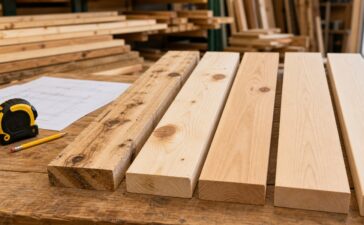
How Do I Know What Lumber Grade I Need?

Choosing lumber can feel confusing when every board looks a little different. Some boards are smooth and clean. Some have...

Simple Design Strategies for Blending Texture and Color in Kitchen Cabinets

A kitchen's personality leaps out at you before the first meal is ever cooked, and it starts with the cabinets....

Slab Repair vs. Replacement: Making the Right Decision

Concrete slabs are used for driveways, patios, floors, and foundations. Over time, they can crack, sink, or wear down. When...

Five Reasons Why Roaches Thrive in Indianapolis, IN Homes During the Winter


Most people assume pest problems decrease when temperatures drop. This may be true for some outdoor insects, but cockroaches behave...