


Living in small spaces is increasingly common as urbanization rises and housing costs soar. While compact living can be challenging, it also offers unique opportunities for creativity and innovation. By employing smart strategies and thoughtful design, you can transform a small space into a functional, stylish, and comfortable home. This article provides comprehensive tips and tricks to maximize small spaces, ensuring every square inch is utilized effectively.
The Challenge of Small Spaces
Why Small Spaces?
Many people choose small spaces for various reasons, including affordability, location, and minimalistic living preferences. However, the primary challenge lies in making these compact areas functional without feeling cramped.

Common Issues
Small spaces often come with limited storage, lack of privacy, and difficulty in accommodating all necessary furniture and appliances. Overcoming these challenges requires careful planning and innovative solutions.
Tips and Tricks for Maximizing Small Spaces
Multi-Functional Furniture
Investing in multi-functional furniture is one of the best ways to maximize a small space. Look for pieces that serve multiple purposes, such as a sofa that converts into a bed, a coffee table with storage, or a dining table that doubles as a workspace. These versatile pieces can significantly reduce clutter and free up valuable floor space.
Vertical Storage Solutions
Utilizing vertical space is crucial in small living areas. Install wall-mounted shelves, tall bookcases, and hanging storage units to keep items off the floor. This not only helps declutter but also makes the room appear larger by drawing the eye upwards.
Light and Color
Light and color play a significant role in creating an illusion of space. Opt for light, neutral colors on walls and furniture to make the room feel airy and open. Maximize natural light by using sheer curtains and strategically placing mirrors to reflect light around the room.
Smart Storage Solutions
In small spaces, every inch counts. Utilize hidden storage options like under-bed storage boxes, ottomans with storage compartments, and built-in cabinets. These solutions help keep the space organized without sacrificing style.
Open-Plan Living
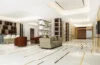
An open-plan layout can make a small space feel larger by eliminating unnecessary walls and barriers. Combining the kitchen, living, and dining areas into one open space creates a more cohesive and spacious environment. Use furniture placement and rugs to define different zones within the open-plan layout.
Innovative Design Ideas for Small Spaces
Sliding Doors and Partitions
Sliding doors and partitions are excellent for maintaining privacy without taking up valuable floor space. They can be used to separate the bedroom from the living area or create a home office nook. When not in use, they can be easily tucked away, maintaining an open feel.
Foldable and Collapsible Furniture
Foldable and collapsible furniture is perfect for small spaces. Items like foldable desks, collapsible dining tables, and stackable chairs can be easily stored when not in use, freeing up space for other activities.
Built-In Furniture
Custom-built furniture tailored to your space can maximize every inch. Built-in wardrobes, benches with storage, and window seats are great examples of how bespoke furniture can enhance functionality and aesthetics.
Benefits of Compact Living
Efficient Living
Compact living encourages efficiency and organization. With less space to manage, you are more likely to keep your home tidy and clutter-free.
Cost Savings
Smaller spaces often come with lower utility bills, reduced maintenance costs, and less spending on unnecessary furniture and décor.
Environmental Impact
Living in a smaller space reduces your environmental footprint. Smaller homes typically require less energy to heat and cool, contributing to a more sustainable lifestyle.
Conclusion
Maximizing small spaces requires creativity, smart planning, and the right furniture and storage solutions. By implementing these tips and tricks, you can create a functional, stylish, and comfortable home, no matter the size. Embrace the challenges of compact living and turn them into opportunities to innovate and personalize your space.

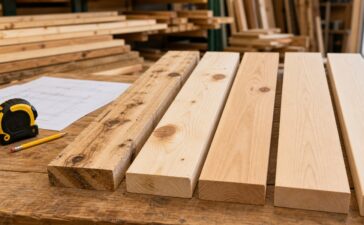
How Do I Know What Lumber Grade I Need?

Choosing lumber can feel confusing when every board looks a little different. Some boards are smooth and clean. Some have...

Simple Design Strategies for Blending Texture and Color in Kitchen Cabinets

A kitchen's personality leaps out at you before the first meal is ever cooked, and it starts with the cabinets....

Slab Repair vs. Replacement: Making the Right Decision

Concrete slabs are used for driveways, patios, floors, and foundations. Over time, they can crack, sink, or wear down. When...

Five Reasons Why Roaches Thrive in Indianapolis, IN Homes During the Winter


Most people assume pest problems decrease when temperatures drop. This may be true for some outdoor insects, but cockroaches behave...